What Is Risk Management?
Understand the basic idea of risk management and why protecting capital matters more than chasing every trade setup.
✓ Protect your trading account
✓ Reduce emotional decisions
✓ Build long-term consistency
Risk management is the foundation of long-term trading. Before chasing profits, every trader must learn how to protect capital, control losses, manage position size, and trade with discipline.
A trader can have a good strategy and still lose money without proper risk control. This hub organizes the most important risk management concepts into clear lessons, from stop losses and position sizing to emotional control and journaling.
Understand the basic idea of risk management and why protecting capital matters more than chasing every trade setup.
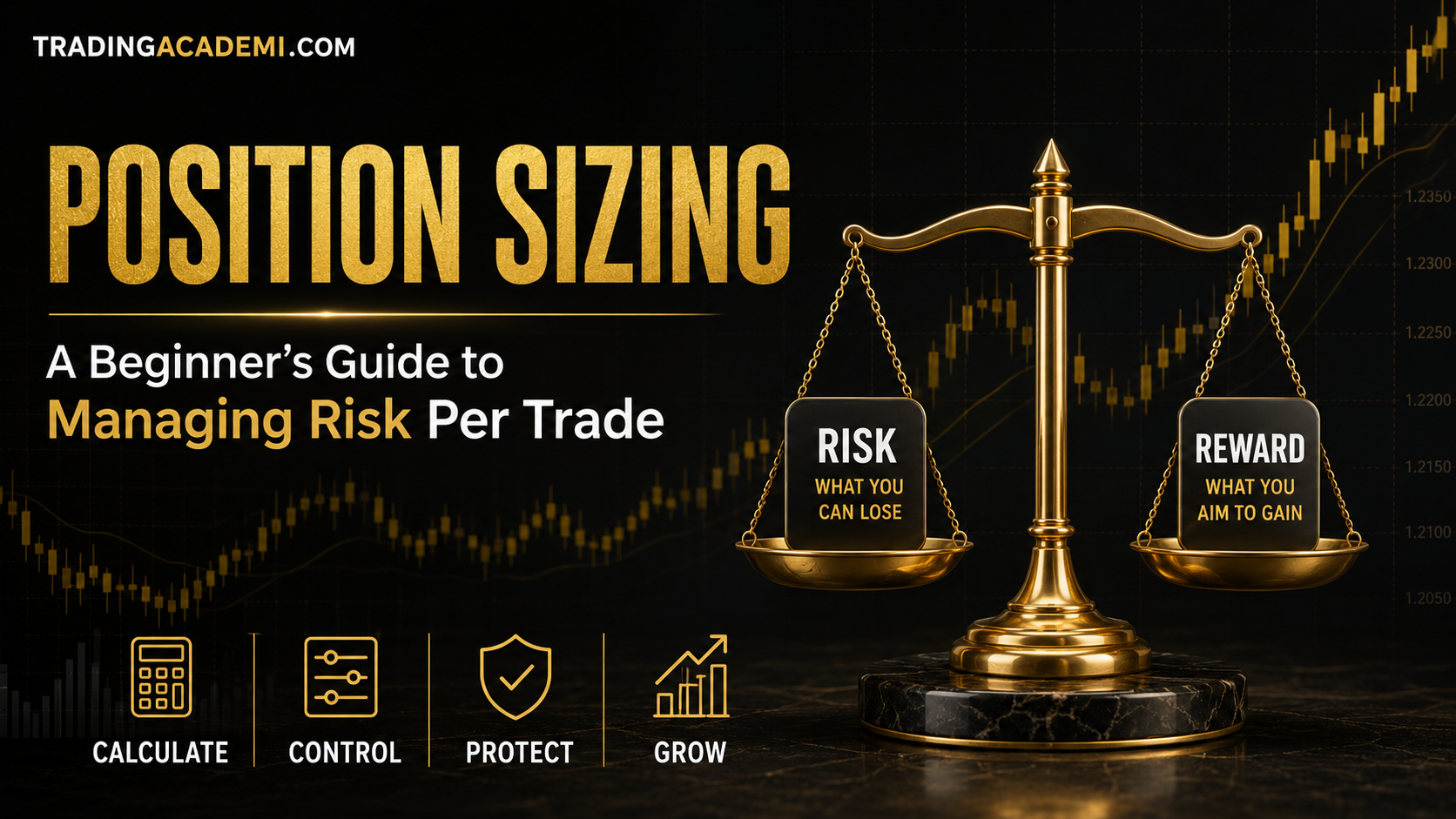
Learn how much to risk per trade and how position size affects your losses, profits, and account survival.
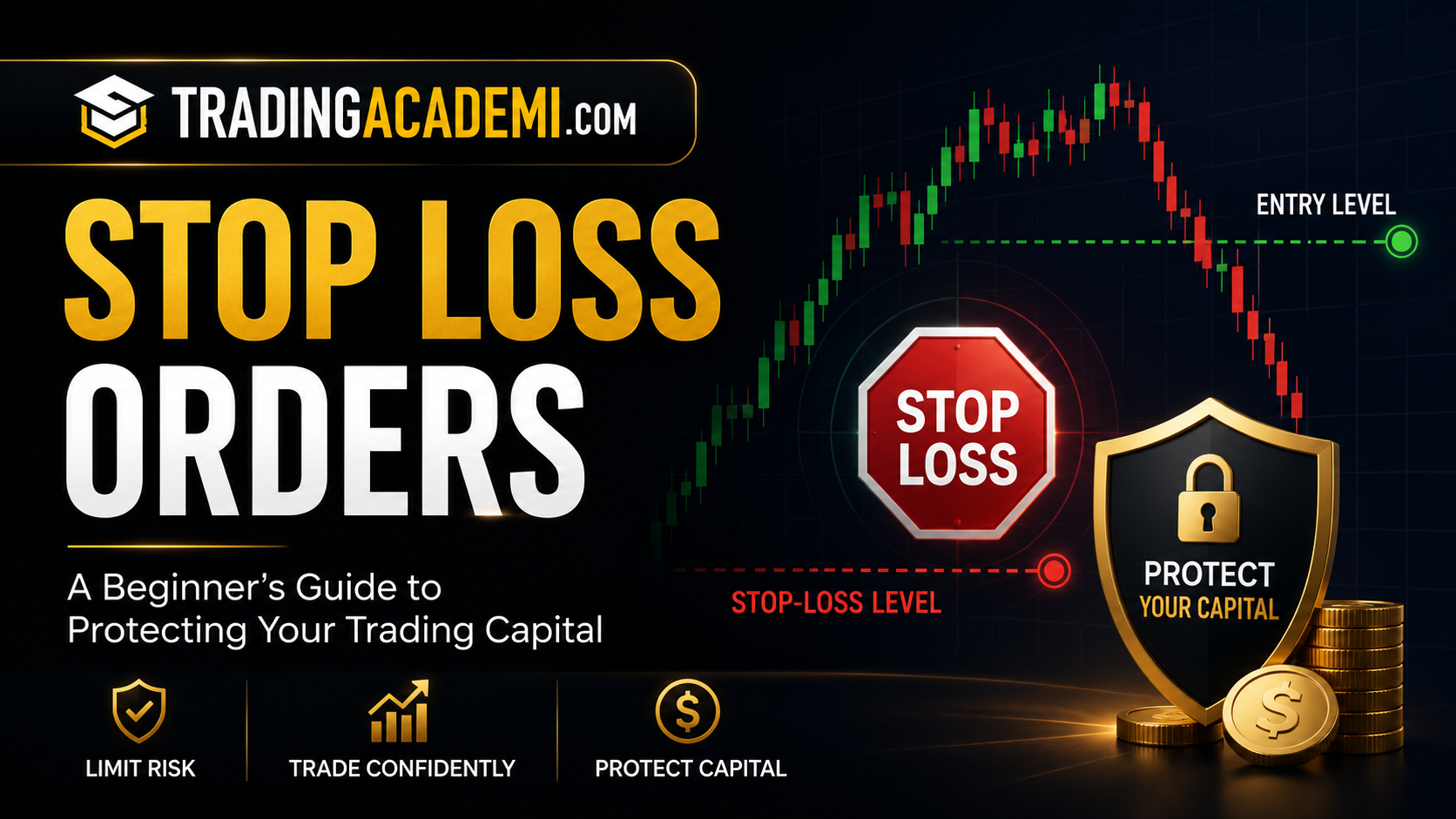
A stop loss helps define your exit if the market moves against you. It is one of the most important tools for risk control.
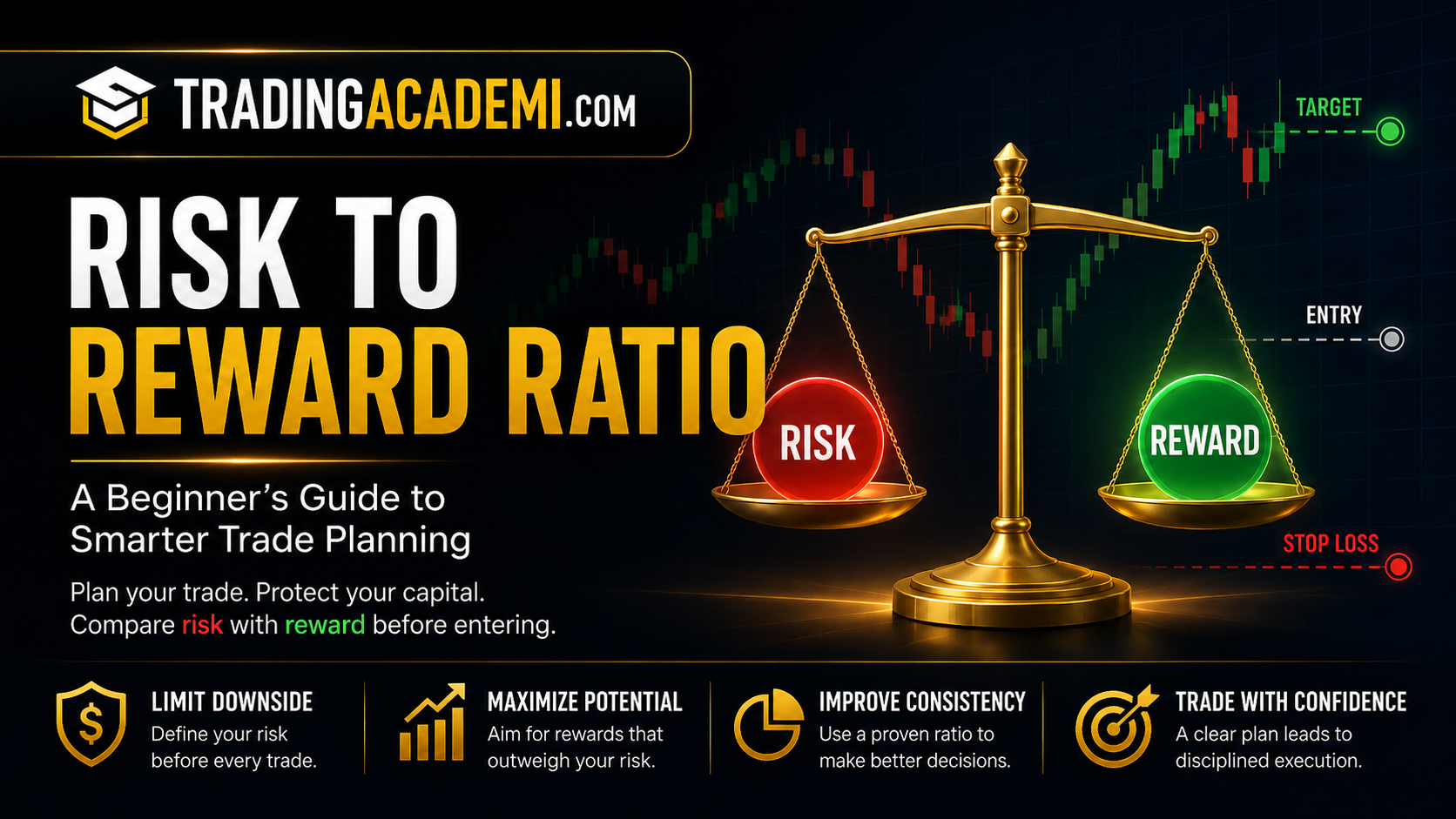
Risk-to-reward helps compare potential loss with potential profit before entering a trade.
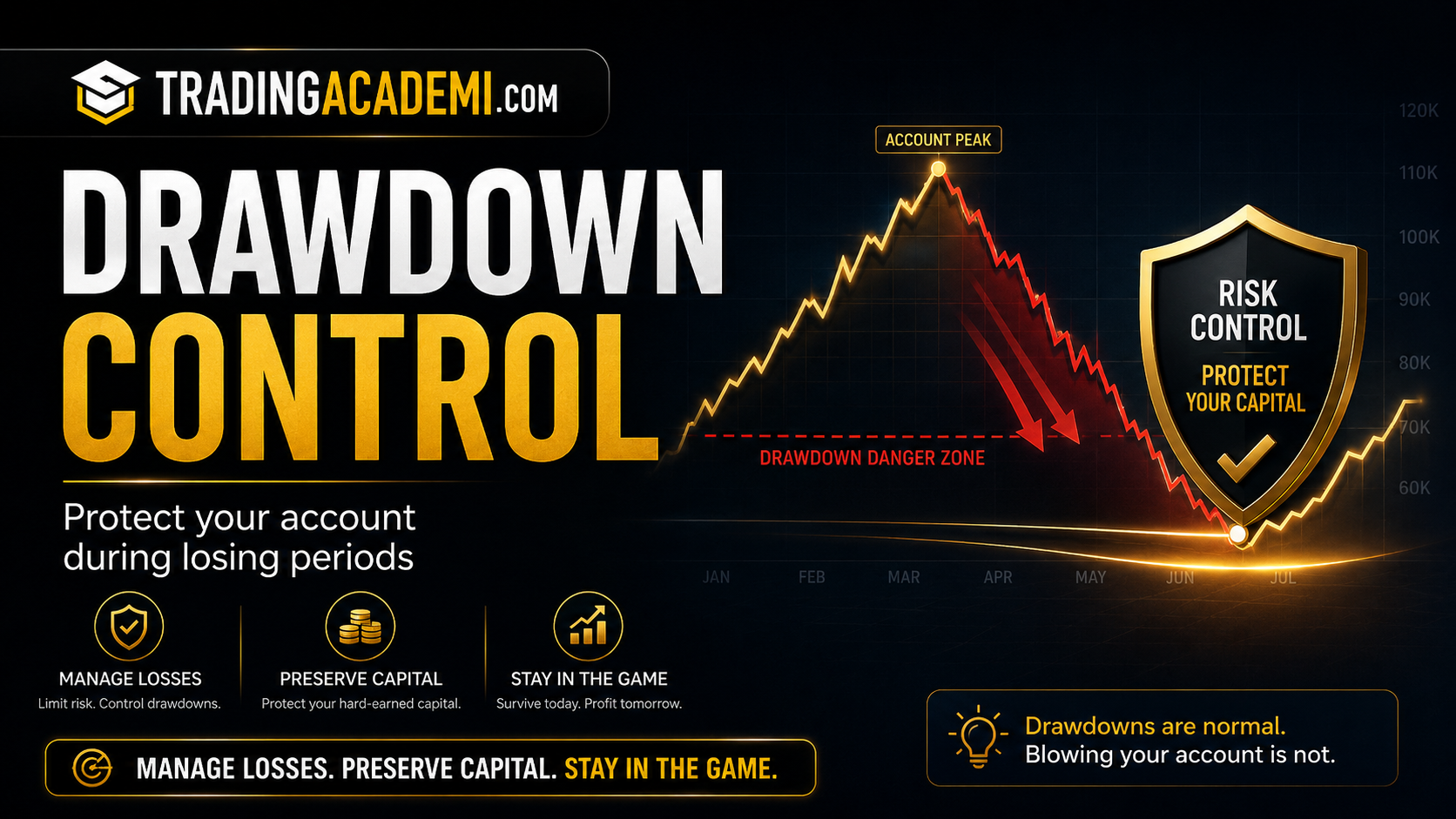
Drawdown measures how much your account drops from a previous high. Managing it keeps your strategy alive.
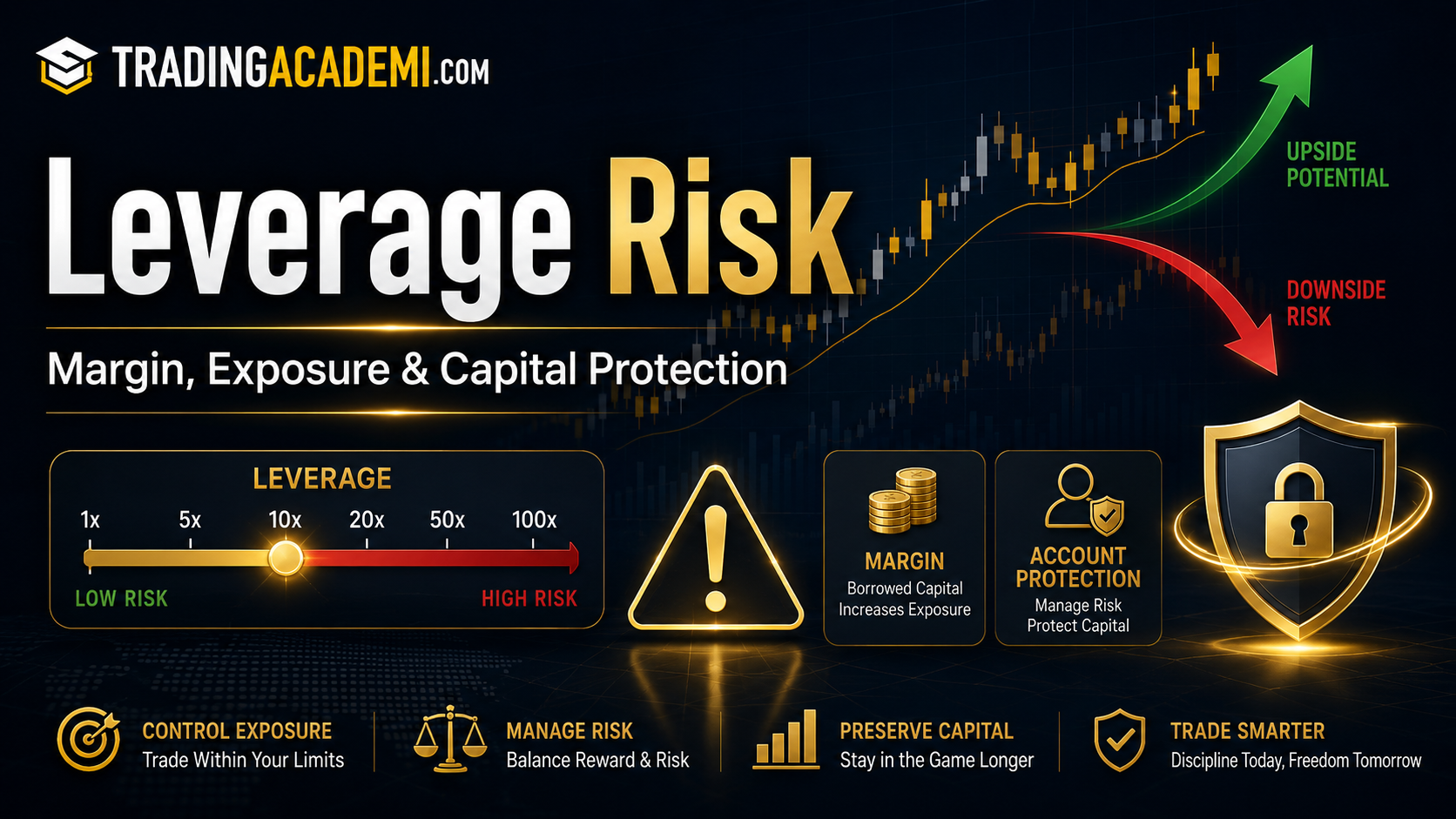
Leverage can increase opportunity, but it can also magnify losses quickly. Every trader must understand margin and exposure.

Fear, greed, revenge trading, and overconfidence can damage even a strong strategy.
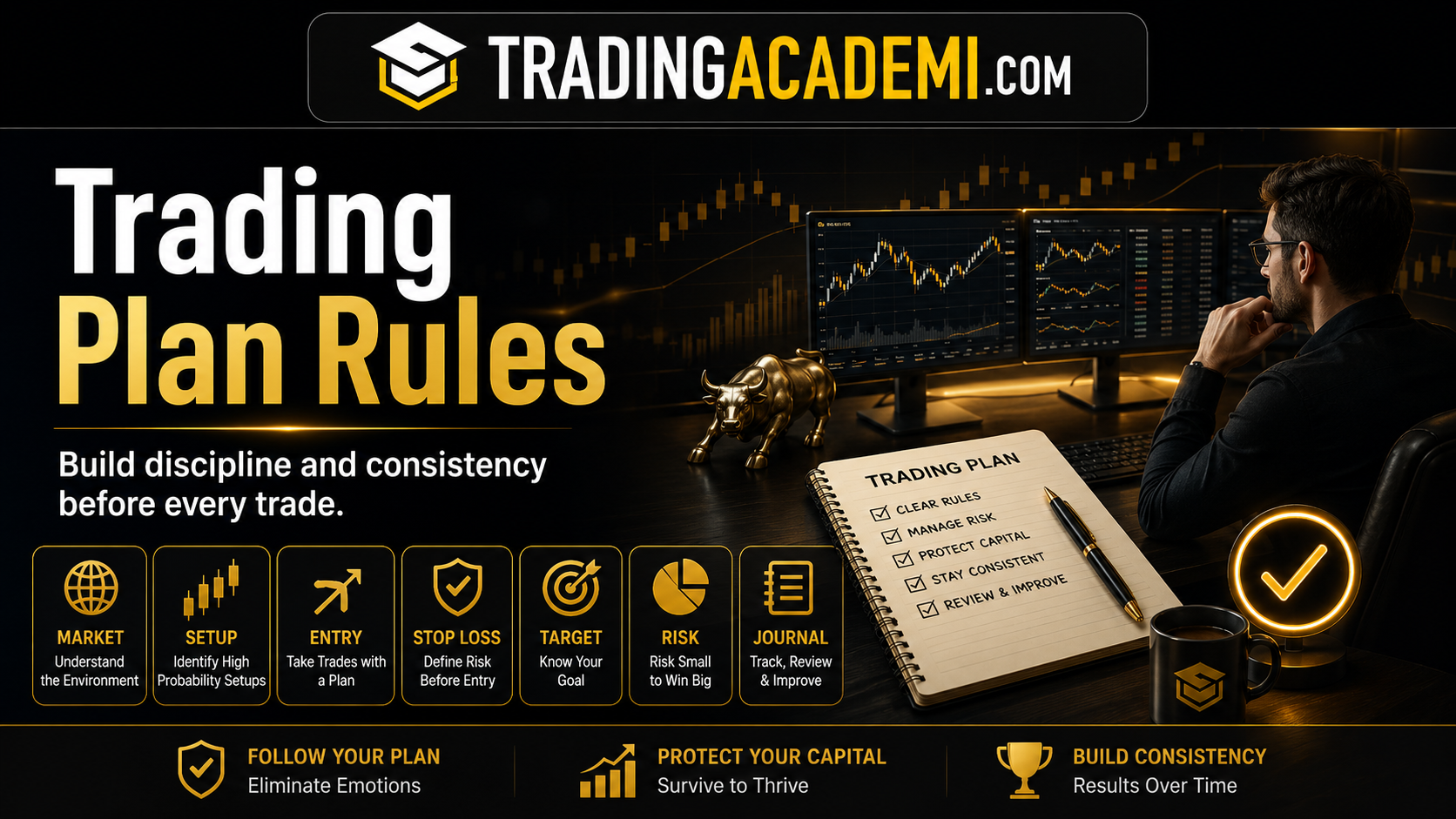
A trading plan defines what you trade, when you trade, how much you risk, and when you stop.
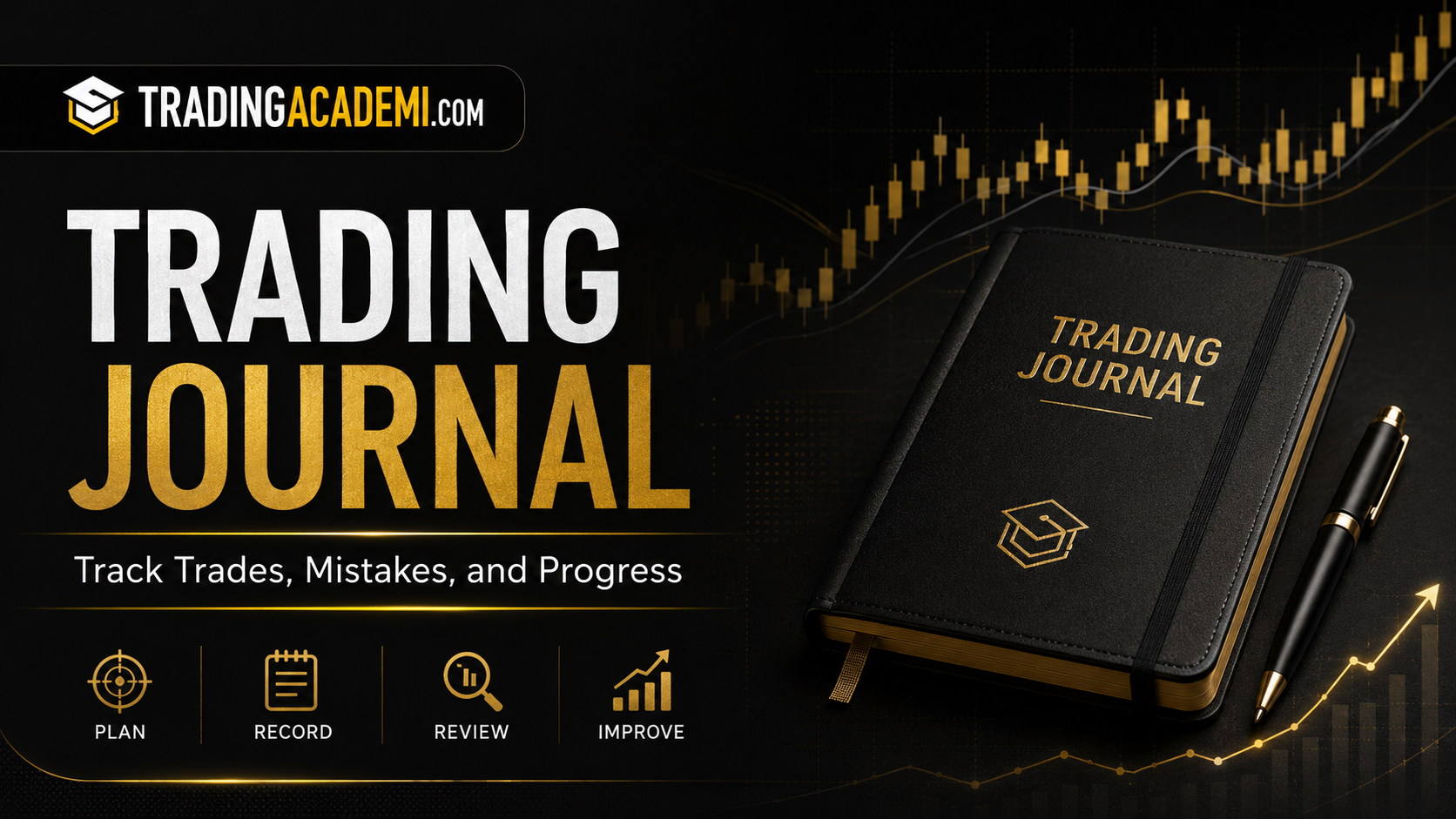
A journal helps you track performance, identify mistakes, and improve your risk decisions over time.
This risk management hub is made for beginner and developing traders who want to understand how to control losses before focusing on profits. It is useful for stock, forex, futures, crypto, commodities, and options traders.
A good trader does not ask only, “How much can I make?” A good trader first asks, “How much can I lose if I am wrong?”
Risk management is not a small part of trading. It is the structure that allows you to survive, learn, and improve over time.
Start With Risk Management →