 By Anzo Trader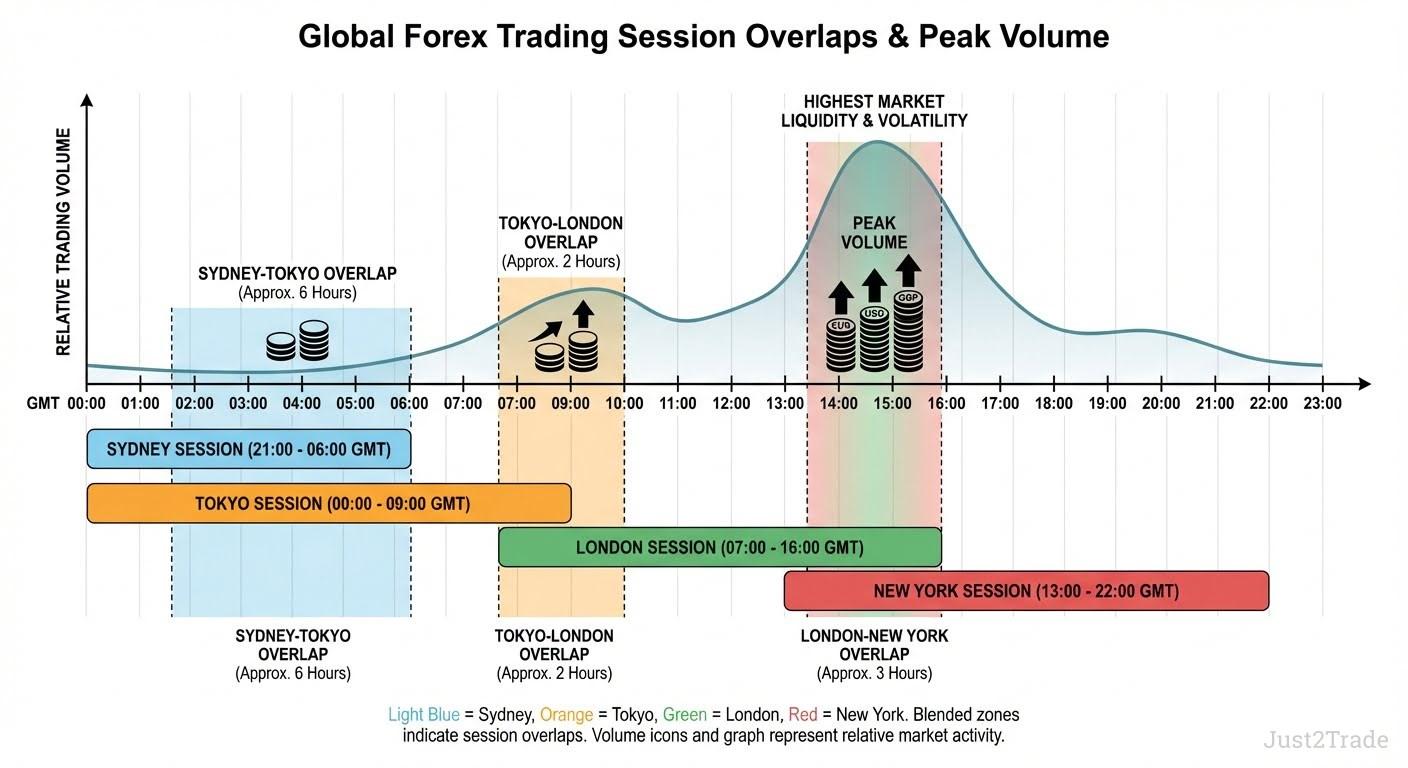
Timing is everything in trading—especially in the fast-moving world of futures. Even the best strategy can fail if you trade during the wrong hours. On the flip side, a simple strategy can perform much better when used at the right time.
Understanding the best time to trade futures is critical for success. While markets are open nearly 24 hours, not all sessions provide the same opportunities. According to the CME Group, the highest trading volume occurs during the U.S. session, making it ideal for active traders. If you’re just starting, you can also explore educational resources from Investopedia to better understand how trading sessions impact volatility.
In this guide, we’ll break down the best trading sessions, ideal hours for NQ and ES futures, and practical tips to help you trade smarter—not harder.
Understanding Futures Market Sessions
Futures markets operate nearly 24 hours a day, but not all hours are equal. The market is divided into three main sessions:
1. New York Session (U.S. Session)
This is the most important session for NQ and ES traders. It begins at 9:30 AM EST when the U.S. stock market opens.
During this time:
- Trading volume is at its highest
- Institutional traders are active
- Price movements are stronger and more reliable
This session often produces the biggest moves of the day.
2. London Session (European Session)
The London session overlaps slightly with the U.S. session and can provide strong momentum before the New York open.
Key characteristics:
- Moderate to high volume
- Good pre-market setups
- Strong directional moves
Many traders use this session to prepare for the U.S. open.
3. Asian Session
The Asian session is typically the slowest for NQ and ES futures.
What to expect:
- Lower volatility
- Smaller price movements
- More consolidation
For beginners, this session can be difficult because price action is often unclear.
Best Time to Trade Futures for Maximum Profitability
New York Open: 9:30 AM EST 🔥
This is widely considered the best time to trade futures.
Why it works:
- Massive increase in volume
- Strong breakouts and trends
- Clearer price direction
This is where many professional traders focus their attention.
First 1–2 Hours After Market Open
The window between 9:30 AM and 11:30 AM EST is often called the “golden trading window.”
During this time, you’ll find:
- Strong momentum
- High-probability setups
- Clean technical patterns
If you can only trade part-time, this is the best period to focus on.
Best Time to Trade NQ & ES Futures
NQ and ES behave differently, so understanding their personality helps improve your results.
NQ Futures (Nasdaq)
- More volatile
- Faster price movements
- Larger profit potential (but higher risk)
Best time:
9:30 AM – 11:30 AM EST
ES Futures (S&P 500)
- Smoother and more stable
- Better for beginners
- More predictable moves
Best time:
9:30 AM – 11:30 AM EST
Quick Comparison Table
| Futures Contract | Volatility | Best Time | Ideal For |
|---|---|---|---|
| NQ Futures | High | 9:30–11:30 AM EST | Aggressive traders |
| ES Futures | Moderate | 9:30–11:30 AM EST | Beginners & consistency |
Why Volume and Liquidity Matter
One of the biggest reasons timing matters is volume.
High volume means:
- Faster order execution
- Less slippage
- More reliable price action
Low volume leads to:
- Fake breakouts
- Choppy markets
- Unpredictable moves
That’s why trading during active sessions gives you a clear advantage.
Worst Times to Trade Futures
Knowing when not to trade is just as important.
Midday (11:30 AM – 2:00 PM EST)
This is often called the “dead zone.”
- Volume drops significantly
- Price moves sideways
- Trades become less reliable
Many experienced traders simply avoid this period.
Late Afternoon Session
After major moves in the morning, the market often slows down.
- Less momentum
- More noise
- Increased risk of overtrading
Low-Volume Overnight Hours
While futures are open nearly 24 hours, overnight sessions often lack strong movement.
This can result in:
- Slow trades
- Unclear direction
- Frustrating setups
Pro Trading Tips for Better Timing
Here are some simple but powerful tips:
1. Focus on One Session Only
You don’t need to trade all day. Master one session (preferably New York open).
2. Wait for Volume to Enter
Don’t rush into trades before the market shows strength.
3. Avoid Overtrading
More trades do not mean more profits. Quality beats quantity.
4. Track Your Best Hours
Keep a journal and identify when you perform best.
Common Mistakes Traders Make
- Trading during low-volume hours
- Forcing trades when the market is slow
- Ignoring session timing
- Overtrading midday
- Not adapting to market conditions
Avoiding these mistakes can instantly improve your results.
FAQs
What is the best time to trade futures?
The best time to trade futures is during the New York open, especially from 9:30 AM to 11:30 AM EST.
What are the best NQ trading hours?
The best NQ trading hours are typically the first two hours after the U.S. market opens due to high volatility and volume.
Is ES better for beginners than NQ?
Yes, ES is generally smoother and less volatile, making it more suitable for beginners.
Why should I avoid midday trading?
Midday often has low volume and choppy price action, which reduces trade quality.
Can I trade futures at night?
Yes, but overnight sessions usually have lower volume and fewer high-quality setups.
How important is timing in trading?
Timing is critical—it affects volume, volatility, and the probability of successful trades.
Conclusion
Mastering the best time to trade futures can dramatically improve your trading performance. Instead of trading all day, focus on high-volume periods where the market offers the best opportunities.
For NQ and ES traders, the New York open and the first 1–2 hours after provide the most reliable setups, strongest trends, and highest potential for profits.
By avoiding low-volume hours and focusing on the right sessions, you can trade with more confidence, reduce stress, and build a more consistent trading strategy.
Risk Disclaimer: Futures trading involves substantial risk and is not suitable for every investor. This content is for educational purposes only and should not be considered financial advice.